


All blog posts
Os-Healthcarepro’s blog delivers clear, reliable healthcare insights for professionals and everyday readers. From expert tips and wellness strategies to the latest medical trends, we simplify complex topics into practical guidance you can trust—helping you stay informed, healthy, and inspired.
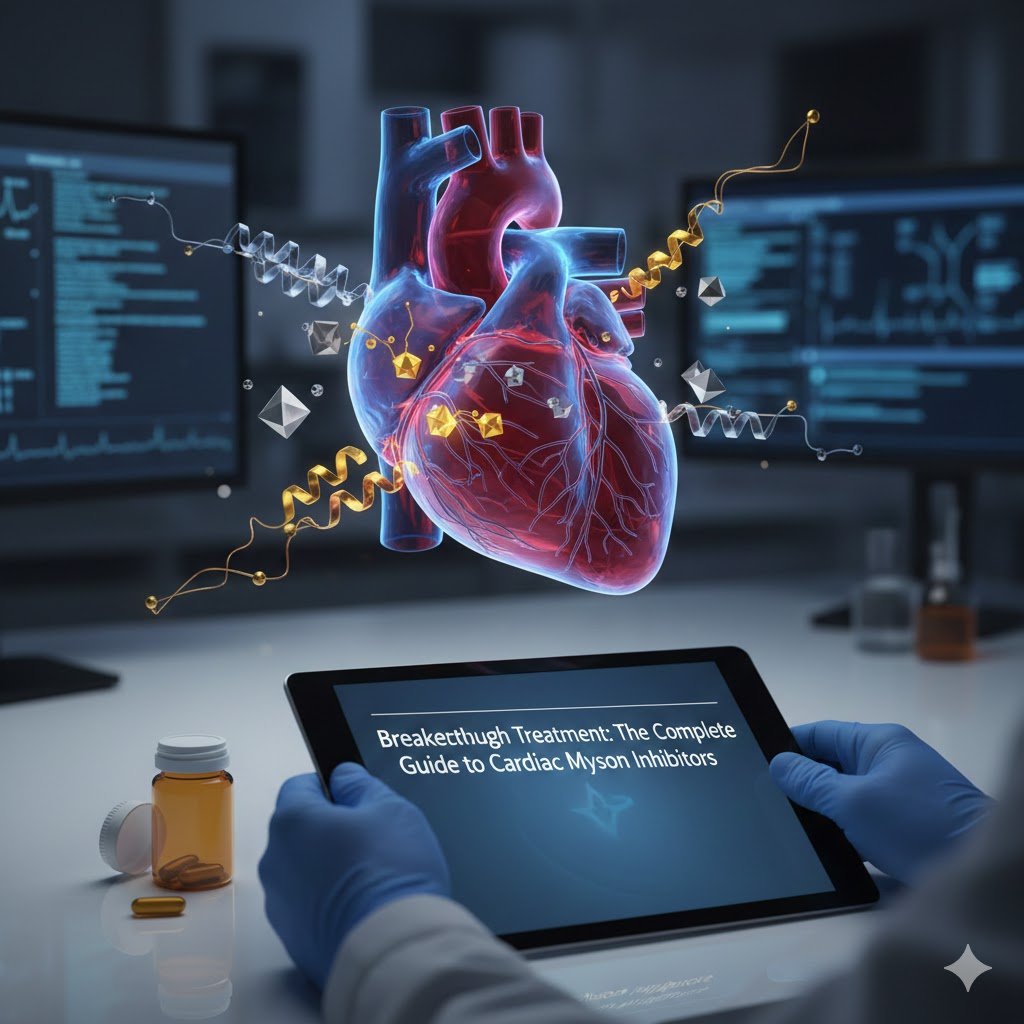
Cardiac Myosin Inhibitors: A New Era in HCM Care
December 3, 2025 | by Steven Johnson

Mastering Incident-To and Split/Shared Billing: Your Roadmap to Success in 2026
November 26, 2025 | by Steven Johnson

CMS Final Rule for 2026: Converting RPM, CCM, and PCM into Actual Revenue
November 24, 2025 | by Steven Johnson

To Close HIPAA Gaps, More States Pass Consumer Privacy Laws
November 19, 2025 | by Steven Johnson

Virtual Case Challenge: Modeling Real-World Management Strategies in Head and Neck Cancer
November 17, 2025 | by Steven Johnson

Biosimilars: Test Your Awareness and Clinical Skills
November 12, 2025 | by Steven Johnson

🤖AI and Healthcare: Innovation Driving Better Patient Outcomes
November 4, 2025 | by Steven Johnson

Credentialing 101: Empowering a New Era of Provider Accuracy and Trust
October 27, 2025 | by Steven Johnson
Brain-Based PTSD Therapy: A New Approach to Trauma Healing
October 18, 2025 | by Steven Johnson

👉What Providers Need to Know: 2026 Medicare Physician Fee Schedule Proposed Rule (CMS-1832-P)
October 15, 2025 | by Steven Johnson


Breakthrough Treatment: The Complete Guide to Cardiac Myosin Inhibitors and the Future of Hypertrophic Cardiomyopathy (HCM) Care
Hypertrophic Cardiomyopathy (HCM) is a disease that affects an estimated 1 in 500 people, making it the most common inherited heart condition. For decades, patients and cardiologists navigated treatment options that largely focused on managing symptoms—slowing the heart rate or surgically addressing obstructions. Today, a revolutionary class of medication, the cardiac myosin inhibitors, is fundamentally changing this approach, offering the first treatment that targets the underlying cause of the disease.
This comprehensive guide delves into how these drugs work, the clinical evidence behind them, the patient experience, and the exciting future they promise for HCM care.
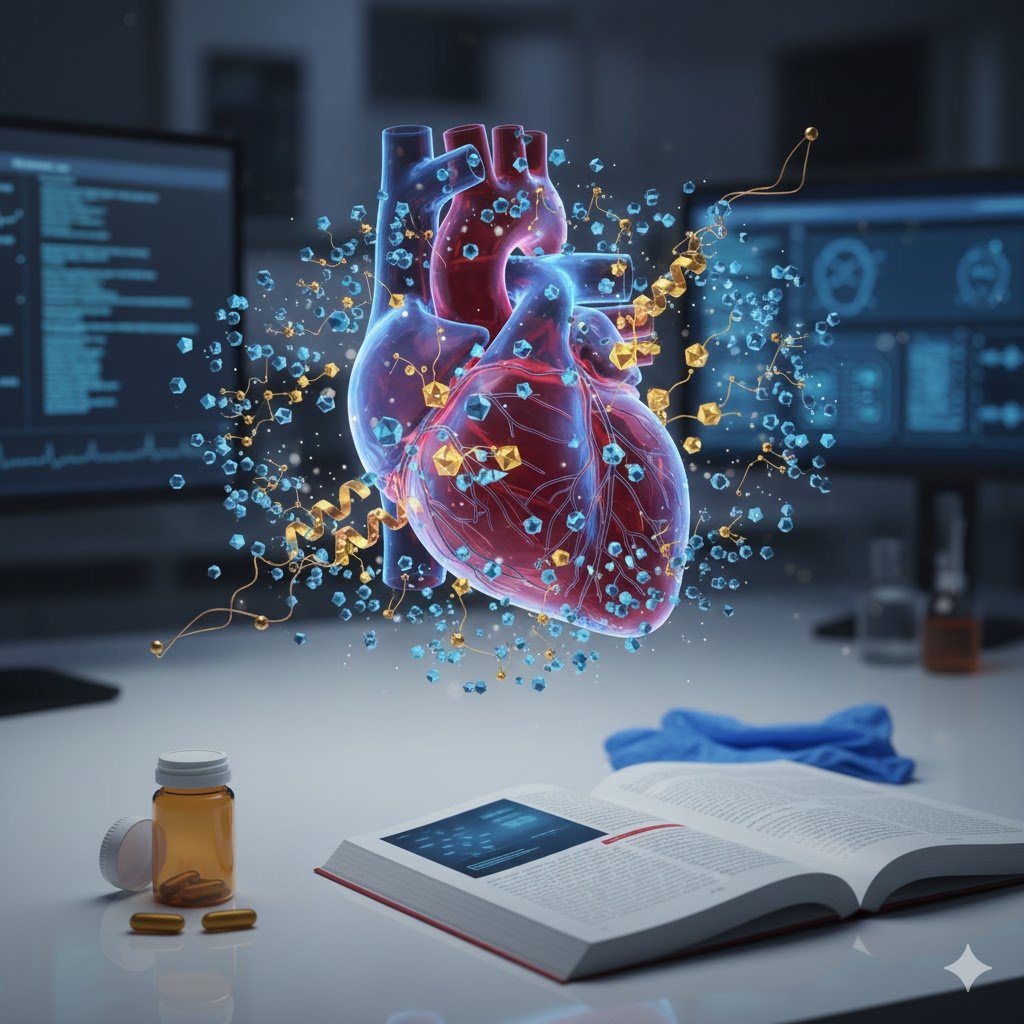
Section 1: Decoding the HCM Disease Mechanism
To appreciate the breakthrough of cardiac myosin inhibitors, we must first understand the problem. HCM is usually caused by mutations in the genes that encode for the heart muscle’s contractile proteins, primarily myosin.
The Problem of Hypercontractility
The heart is a pump, and its action is driven by a microscopic interaction between the protein’s actin and myosin. In HCM patients, these genetic mutations lead to an imbalance:
- Excessive Force: The heart muscle fibers contract too hard and too aggressively (hypercontractility).
- Impaired Relaxation: This hyperactive state leaves the heart less time to relax and refill completely, a problem known as diastolic dysfunction.
- Resulting Symptoms: This cycle of overwork and poor filling often causes the muscle to thicken (hypertrophy), leading to shortness of breath (dyspnea), chest pain, palpitations, and fatigue.
Section 2: The Precision of Cardiac Myosin Inhibitors
Cardiac myosin inhibitors are a class of small-molecule drugs designed to restore the normal balance of heart function. They act as a sophisticated “brake” on the overactive myosin.
A Molecular Mechanism of Action
These drugs bind directly to the myosin head, reducing the number of actin-myosin cross-bridges that form during the contraction cycle. This targeted action achieves a therapeutic effect on the heart muscle:
- Reduced Contractility: The muscle contracts with less force, easing the physical strain on the heart walls.
- Increased Relaxation Time: By slowing the contraction-relaxation cycle, the drug facilitates improved diastolic function, allowing the thickened, stiff ventricle more time to relax and fill with blood.
This represents a paradigm shift: instead of just treating the symptoms of a stiff, obstructed heart, we are treating the molecular defect that causes the stiffness and obstruction.
Section 3: Mavacamten—The First Game Changer
The first and currently most well-known cardiac myosin inhibitor is Mavacamten (Camzyos®). Its 2022 FDA approval was a historic moment for the HCM community.

Clinical Success in Obstructive HCM
Mavacamten’s efficacy was demonstrated most clearly in patients with obstructive HCM, where the thickened septum muscle physically blocks the outflow of blood from the left ventricle. Key findings from landmark clinical trials like the EXPLORER-HCM study included:
- Reduction of LVOT Gradient: A significant and sustained reduction in the left ventricular outflow tract (LVOT) gradient—the pressure difference across the obstruction—was achieved. This is the primary measure of obstruction relief.
- Improved Exercise Capacity: Patients experienced measurable improvements in their functional capacity, specifically on the six-minute walk test (6MWT).
- Symptom Relief: Reports of shortness of breath and fatigue (NYHA class) improved dramatically, translating to a better quality of life.
Mavacamten is unique in that it requires careful, specialized monitoring of the left ventricular ejection fraction (LVEF), as excessive reduction in LVEF could lead to transient heart failure symptoms. This underscores the need for care by specialized HCM centers.
Section 4: The Next Generation: Aficamten and Beyond
The success of Mavacamten has spurred the development of next-generation cardiac myosin inhibitors.
Aficamten (MYK-491) is currently in advanced clinical trials (SEQUOIA-HCM, etc.) and represents the second major drug in this class. Preliminary data suggests it may offer several advantages:
- Shorter Half-Life: This allows for quicker dose adjustments and potentially easier management of LVEF.
- Potency: It demonstrates high potency and selectivity for cardiac myosin.
The expansion of this drug class is critical, as it offers the potential for cardiologists to personalize therapy—choosing the optimal inhibitor based on a patient’s comorbidities, pharmacogenetic profile, and specific disease phenotype (obstructive vs. non-obstructive).
Section 5: The Patient-Centered Future of HCM Care
The most significant impact of cardiac myosin inhibitors is the fundamental shift toward personalized, patient-centered care.
Addressing Non-Obstructive HCM
While the initial approvals focused on the obstructive form, a large subset of HCM patients have the non-obstructive form. They suffer from the same stiff, poorly relaxing heart muscle, often leading to severe heart failure. Research is actively exploring the use of these inhibitors in non-obstructive HCM to improve diastolic function and prevent the progression to heart failure, potentially revolutionizing outcomes for this large, underserved population.
Potential for Disease Modification
The ultimate goal of HCM treatment is not just symptom management, but disease modification—slowing or reversing the underlying damage. Evidence suggesting these inhibitors can reduce the thickness of the heart muscle and reverse the adverse remodeling process is highly encouraging and positions them as a true long-term solution.
Conclusion: A New Era of Hope]
For decades, the standard of care for Hypertrophic Cardiomyopathy was reactive. The arrival of cardiac myosin inhibitors, spearheaded by Mavacamten, signals a future where treatment is proactive, molecularly targeted, and fundamentally personalized. By addressing the root cause of hypercontractility, these drugs offer improved functional capacity, reduced symptoms, and a genuine hope for disease modification. For patients and clinicians alike, this new era represents the most significant advance in HCM management in decades.
Expand your knowledge—sign up for our upcoming webinars.
Subscribe Now Get Upcoming Live Webinar lists here:-