


What’s New in Physical Medicine and Rehabilitation Coding for 2026
January 9, 2026 | by Sarah Anderson

Physical Medicine and Rehabilitation: Key CPT Changes for Physiatrists
The Evolution of PM&R in 2026 The landscape of Physical Medicine and Rehabilitation (PM&R) has shifted into a new, transformative era. In 2026, PM&R coding is no longer a static administrative task but a dynamic reflection of patient recovery. As the healthcare system pivots toward a model that rewards functional improvement over volume, providers find themselves at a critical crossroads. Success now requires a narrative approach to documentation, where every coded interaction tells a story of a patient regaining their independence.
Navigating the High-Stakes Audit Environment This shift toward value-based care has brought unprecedented scrutiny to how services are reported across the United States. Payers are now utilizing sophisticated algorithms to scan for documentation clarity and visit frequency in every claim. To navigate this high-stakes environment, many top-tier practices have turned to the Advanced Rehabilitation Management Suite. This platform serves as a vital safeguard by aligning clinical notes with rigorous 2026 reimbursement standards. By ensuring every claim is backed by proof of medical necessity, practices protect their revenue while focusing on the patient.

Strengthening the Clinical Foundation Beyond billing, the clinical foundation of your practice must be equally sharp to survive an audit. Understanding the Essentials of Physiatric Assessment and Management is crucial for creating the high-quality documentation that supports these codes. When your clinical assessment aligns with evidence-based strategies, it creates a bulletproof defense during insurance reviews. This integration of medical excellence and coding precision is what separates thriving 2026 clinics from those struggling with high denial rates.
Leveraging Professional Benchmarks for Compliance To further validate your clinical approach, referencing professional standards is essential in modern medical documentation. Recent updates, such as the PM&R Milestone 2.0 framework, highlight the growing importance of objective data in assessing physician competency and outcomes. Utilizing these benchmarks allows your practice to justify higher-level coding for complex cases involving chronic conditions. This research-backed evidence provides an essential layer of protection when defending your medical necessity during a professional payer review.
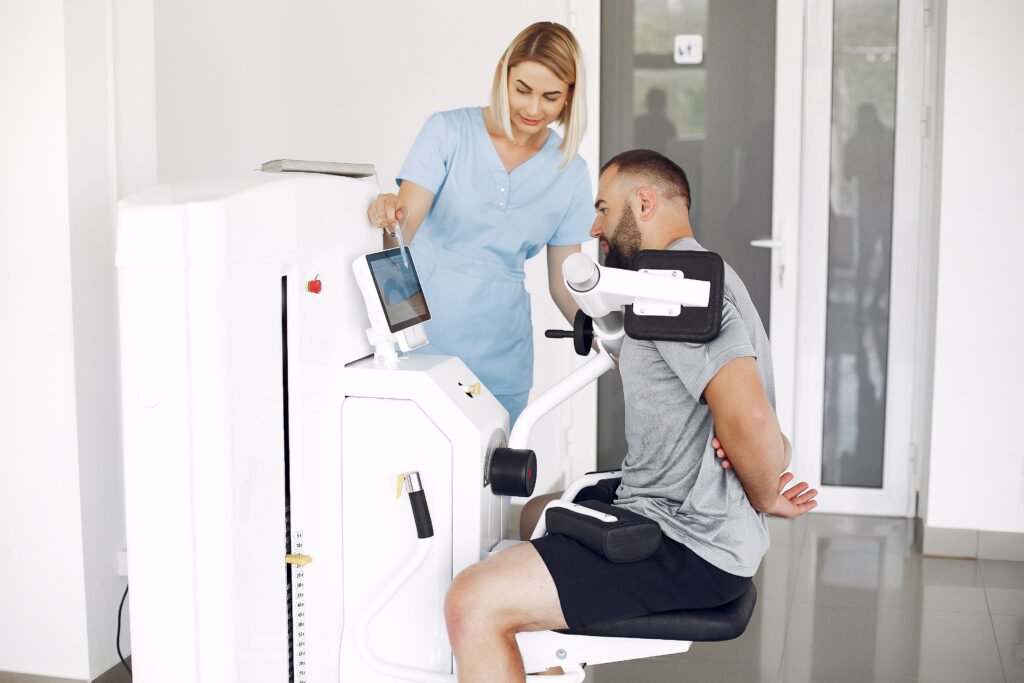
Using Data-Driven Protocols to Boost Revenue Scientific research also plays a massive role in how 2026 reimbursement is determined by commercial payers. Studies found in PMC10252334 emphasize that patient outcomes are increasingly tied to structured, data-driven rehabilitation protocols. By implementing these research-verified methods, you ensure that your practice stays compliant with the latest medical necessity guidelines. This data-heavy approach not only improves patient care but also strengthens your financial standing within the competitive US healthcare market.
Mastering the Core CPT Code Range Mastering the official CPT Code Range 97010-97799 is another core requirement for administrative success. These codes define the specific modalities and therapeutic procedures that form the backbone of any rehabilitation plan. Without a deep understanding of how these codes have evolved, practitioners risk mischaracterizing the complexity of their care. Maintaining accuracy within this specific range is the first step toward building a compliant and highly profitable billing cycle.
Enhancing Outcomes Through Patient Education Educating patients on the purpose of rehabilitation and its long-term goals is also a key factor in improving functional outcomes. When patients understand the pathway to recovery, their compliance increases, which directly impacts the data you collect for billing. Clear patient communication ensures that the progress documented in your EHR reflects real-world improvement in daily living. This focus on the patient journey helps substantiate the codes you submit to insurers.

Capitalizing on Remote Monitoring Opportunities As technology continues to advance, Remote Therapeutic Monitoring (RTM) stands out as a significant revenue driver. This evolution allows physicians to monitor musculoskeletal data and respiratory health in real-time. This is where The 2026 Digital Health Integration Kit becomes essential for your practice. It offers a seamless pipeline that translates wearable device data into the specific formats required for = successful RTM claim submission.
Investing in Billing Team Expertise The long-term sustainability of a PM&R practice depends on the continuous education of the entire billing team. The connection between accurate coding and quality care has never been stronger in the US system. Even small gaps in knowledge can lead to costly audits or delayed payments that disrupt your daily cash flow. To stay ahead of the curve, forward-thinking administrators are investing in specialized training for their staff to ensure they are fully prepared.
Securing Your Future with Professional Programs like the Masterclass in PM&R Revenue Cycle Management provide the deep-dive expertise needed to master these updates. By fostering a culture of transparency and precision, rehabilitation providers do more than just secure their financial future. They build a foundation of trust with payers and patients alike. This ensures that high-quality recovery remains accessible and sustainable for everyone in the years to come. Providing this level of care requires the right tools and commitment.
Subscribe our Newsletter: Os-Healthcarepro.com
RELATED POSTS
View all


Audit-Proof Documentation: The 3 Golden Rules Your Staff Must Follow
December 6, 2025 | by Steven Johnson

Beyond the Scribe: Scaling “Agentic AI” in Hospital Operations
March 6, 2026 | by Steven Johnson

Rebuilding Trust After Financial Betrayal: A Guide for Couples
September 23, 2025 | by Steven Johnson